I never really thought about wind much, to be honest. It’s just there. Some days it’s annoying, some days it feels nice, and that’s about it.
But the moment you start looking into how different industries work, you realize wind is not something people can ignore. Anemometer applications in a lot of situations, they actually need to know exactly how fast it’s moving and where it’s going. That’s where an anemometer comes in.
It sounds like a technical word, but the idea is simple. It’s just a device used for wind measurement. It tells you how fast the air is moving, and sometimes the direction too. Nothing fancy at first glance, but the way it’s used in real life is what makes it interesting.
It starts with weather, obviously
The first place this shows up is weather forecasting. Whenever you check the weather and see wind speed mentioned, that data comes from actual measurements. It’s not just guessed. Weather stations have instruments like anemometers running all the time.
Wind is one of those things that quietly affects everything rain, storms, temperature changes. If the wind shifts, the whole weather pattern can change with it.
So yeah, without proper wind measurement, forecasts wouldn’t be very reliable.
Flights depend on it more than you think
Now think about airplanes. When a plane is landing, it’s not just about touching the runway. The wind matters a lot. If it’s too strong or coming from the wrong direction, it can make landing difficult.
Airports keep track of this constantly. They use anemometers to monitor wind conditions in real time. Pilots get that information before they land or take off.
It’s one of those things passengers don’t notice, but it’s always there in the background making things safer.
Wind energy is basically impossible without it
If you’ve seen those big wind turbines, you might think they just spin whenever there’s wind.
That’s not how it works.
They actually rely on accurate wind measurement. Anemometers are installed to check if the wind speed is suitable. If it’s too low, there’s no point running the turbine. If it’s too high, it can damage the system.
So the turbine adjusts based on that data. In a way, the whole system listens to the anemometer.
Construction people don’t ignore wind either
When buildings are being constructed, especially tall ones, wind becomes a real concern. It’s not just about storms. Even normal wind patterns can affect how a building holds up over time. Engineers need to understand that before they finalize designs.
On construction sites, wind is also a safety issue. Cranes, for example, can become risky to operate in strong winds. So sometimes work pauses based on wind readings.
Again, that’s where wind measurement tools come into play.
Inside buildings, airflow still matters
This part surprised me when I first learned about it.
Even inside buildings, air movement needs to be measured. Think about air conditioning and ventilation systems. If airflow isn’t balanced, some rooms feel stuffy while others get too much air.
Technicians use anemometers to check if air is flowing properly through ducts. It helps them fix uneven cooling or ventilation problems. It’s not something you see, but you definitely feel the difference.
In factories, it’s more about safety
In industrial places, airflow isn’t just about comfort. There can be fumes, gases, or dust that need to be controlled. If air isn’t moving the right way, those things can build up and become dangerous.
So airflow is monitored carefully. Anemometers help make sure ventilation systems are doing their job. It’s one of those cases where a small device helps prevent bigger problems.
Farmers use wind data too
You wouldn’t immediately think of farming here, but it actually makes sense. When farmers spray pesticides, wind direction matters a lot. If the wind is strong, the spray can drift away and not reach the crops properly.
That means wasted effort and sometimes damage to nearby areas. So checking wind conditions before spraying is important, and that’s where simple wind measurement tools come in handy.
Out at sea, things can change quickly
On land, wind changes feel manageable. At sea, it’s a different story. Ships deal with changing wind conditions all the time. Strong winds can affect movement, balance, and safety.
Anemometers are used to keep track of that. It helps crews make better decisions while navigating.
Even hobbies aren’t free from wind
This part is kind of interesting. Things like drone flying, sailing, or paragliding all depend on wind. Too much wind can be risky, too little can make it difficult to even start.
People involved in these activities often check wind speed before they begin. Some even carry small devices to measure it on the spot.
The funny part? The device is actually simple
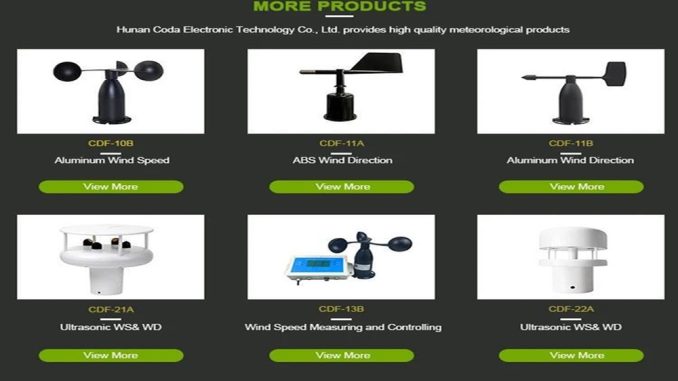
If you look at a basic anemometer, it doesn’t look impressive at all. Just a few cups spinning around or a small sensor. But it does one job well measuring wind. And that one job turns out to be useful in a lot of places.
So yeah, it’s more important than it looks
At first, an anemometer feels like a niche instrument. Something only scientists would use. But once you start noticing where it fits in weather, flights, energy, buildings, farming you realize it’s quietly everywhere.
Wind measurement isn’t something people think about daily, but many systems depend on it working properly. And all of that comes down to a small device doing a simple job.
