
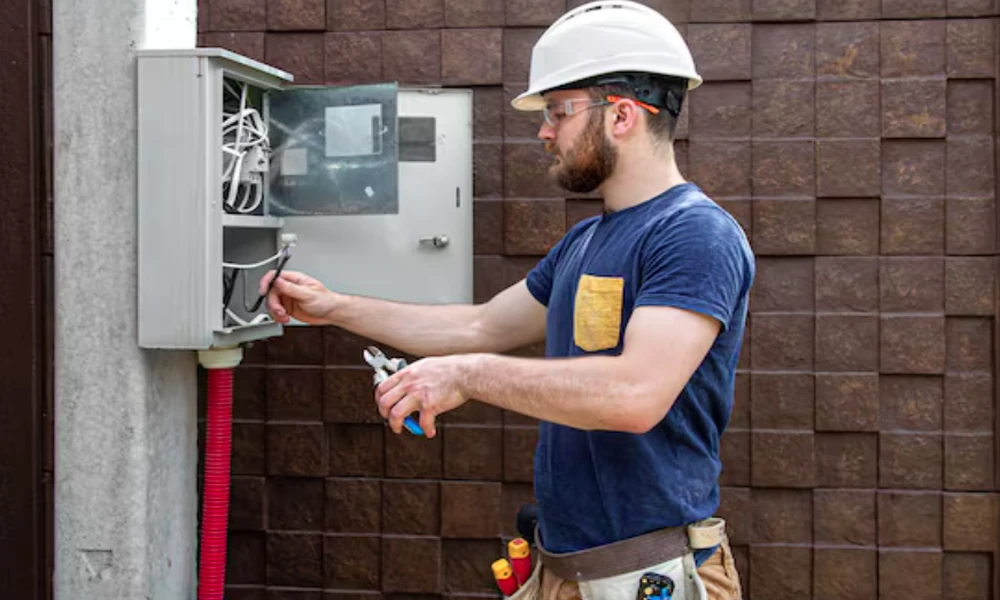
Your home electrical panel acts as the silent heartbeat of your household, safely distributing electricity from the main utility line to every appliance, light fixture, and outlet.
As decades pass, older electrical panels often struggle to keep pace with the massive power demands of modern technology, home automation systems, and high-wattage appliances.
Recognizing when your electrical system is outdated and investing in a timely breaker box replacement is one of the smartest decisions a homeowner can make.
Upgrading your service panel delivers profound advantages that directly impact your family’s safety, property value, and everyday convenience.
Eliminating Fire Hazards and Preventing Electrical Failures
The most critical advantage of modernizing your electrical infrastructure is the drastic reduction in household fire risks.
Outdated panels, worn-out circuit breakers, and obsolete fuse boxes often fail to trip when electrical currents overload, causing wires to overheat and potentially ignite surrounding building materials.
Furthermore, certain legacy panel brands are notorious for internal component failures. Investing in a professional breaker box replacement equips your home with advanced circuit breakers that immediately interrupt dangerous power surges, protecting your family and property from catastrophic electrical fires.
Accommodating Modern Power Demands and Smart Technology
Contemporary households utilize an astonishing array of electrical devices, ranging from multi-zone HVAC systems and home offices to electric vehicle charging stations and high-end kitchen appliances.
Older 60-amp or 100-amp service panels frequently trip or overheat when subjected to these heavy contemporary electrical loads.
Upgrading to a modern 200-amp capacity during a breaker box replacement ensures your home can effortlessly support all your electronic needs.
This expanded capacity eliminates frustrating power outages and allows you to integrate new smart home technologies safely without overloading your circuits.
Enhancing Personal Safety Against Electric Shocks
Older electrical distribution systems often lack critical safety mechanisms required by modern building codes, leaving residents vulnerable to severe electric shocks.
Newer panels incorporate advanced safety devices such as ground-fault circuit interrupters and arc-fault circuit interrupters that monitor electricity flow down to the microscopic level.
These innovative sensors instantly cut power upon detecting irregular current paths or dangerous sparks. Completing a breaker box replacement ensures your entire living space is safeguarded with state-of-the-art protective technology, minimizing the risk of accidental injuries.
Increasing Property Value and Real Estate Marketability
When prospective buyers tour a house, home inspectors routinely evaluate the age, brand, and condition of the primary electrical service panel.
An outdated, rusted, or recalled electrical panel is an immediate red flag that can derail a real estate transaction or force sellers into costly last-minute concessions.
Upgrading your electrical infrastructure demonstrates to potential buyers and home inspectors that the property has been meticulously maintained and modernized.
A certified breaker box replacement significantly boosts your home’s resale value and reassures buyers that the electrical system is safe and fully compliant.
Reducing Long-Term Maintenance Costs and Frequent Repairs
Continually dealing with flickering lights, buzzing sounds, humming panel boxes, and constantly tripped breakers is both annoying and indicative of deeper electrical distress. Band-aid repairs on an obsolete electrical panel only offer temporary relief while underlying wiring components continue to degrade.
Installing a brand-new panel resolves these persistent technical glitches at the root level, ensuring reliable power distribution across your entire property.
A high-quality breaker box replacement virtually eliminates the need for emergency electrician callouts, saving you substantial repair expenses over the long term.