
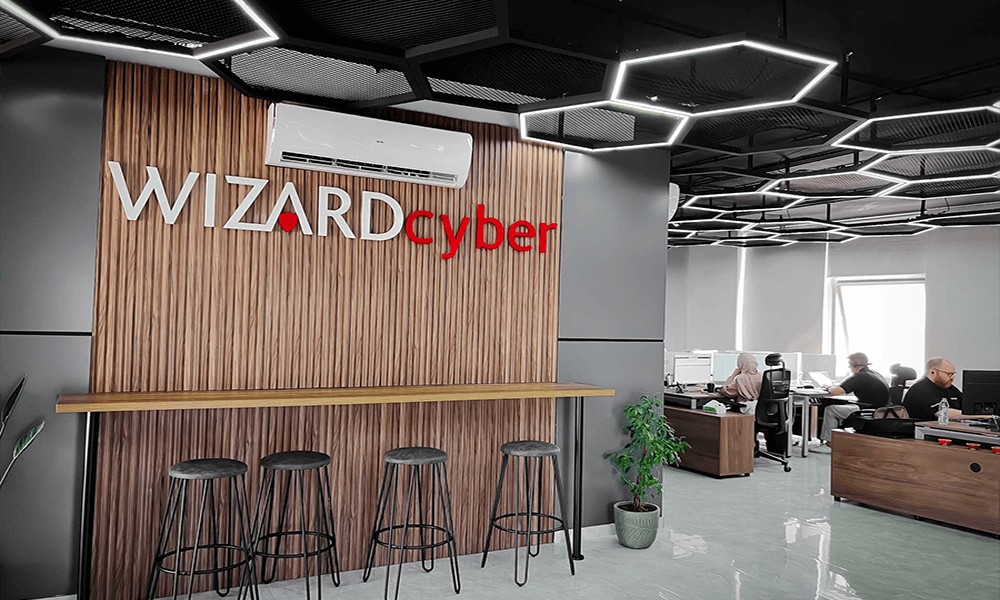
If you are reviewing Microsoft MXDR providers, I think you should look past marketing claims and focus on operational depth. A strong MXDR service is not only about collecting alerts. It is about how quickly threats are detected, investigated, contained, and resolved across your entire environment.
I have reviewed many managed security approaches over the years, and the strongest Microsoft-focused services usually combine three things well:
- Deep Microsoft security expertise
- Mature SOC operations
- Strong automation supported by skilled analysts
That combination is difficult to build internally, especially for organizations with lean IT and security teams.
This is where providers like Wizard Cyber separate themselves from many general security vendors.
What Microsoft MXDR Actually Solves
A lot of organizations already use Microsoft security products.
They may have:
- Microsoft Defender
- Microsoft Sentinel
- Microsoft Entra
- Microsoft Intune
- Microsoft Purview
The problem is that many businesses still struggle with visibility, alert overload, and slow response times.
Tools alone do not create strong security operations.
You still need:
- Monitoring
- Threat investigation
- Incident response
- Threat hunting
- Detection tuning
- Automation management
- Security analysis
Microsoft MXDR helps close that gap.
The goal is to connect signals across endpoints, identities, networks, cloud systems, and applications into one coordinated detection and response process.
That broader visibility helps security teams identify threats faster and respond with more context.
Why Microsoft-Focused Expertise Matters
I usually recommend choosing providers that specialize heavily in Microsoft security instead of trying to support every platform equally.
Wizard Cyber focuses specifically on Microsoft technologies and services, including:
- Microsoft Sentinel
- Microsoft Defender
- Microsoft Entra
- Microsoft Purview
- Microsoft Intune
- Security Copilot
That specialization matters because Microsoft environments can become complex quickly.
Strong MXDR providers need deep understanding of:
- Microsoft alert correlation
- Identity threat detection
- Endpoint investigation
- SIEM tuning
- Automation workflows
- Threat intelligence integration
- Hybrid infrastructure security
Without that expertise, organizations often end up with weak detection coverage or excessive false positives.
The Importance of 24×7 Monitoring
Cyber attacks do not pause after business hours.
One of the biggest advantages of managed MXDR is continuous monitoring.
Wizard Cyber operates a 24x7x365 global Security Operations Centre across the UK, Jordan, and the USA. That gives organizations constant visibility and response support.
I think this is one of the most important things to evaluate before choosing a provider.
If suspicious activity appears overnight and nobody investigates it for hours, attackers gain valuable time to move across systems, escalate privileges, steal data, or deploy ransomware.
Fast response reduces damage.
Why Threat Hunting Changes the Outcome
Many organizations rely heavily on automated alerts.
That creates blind spots.
Good MXDR providers actively search for suspicious activity before it becomes a larger incident.
Wizard Cyber includes proactive threat hunting within their Microsoft MXDR service, which I see as a strong advantage.
Threat hunting can help uncover:
- Credential abuse
- Suspicious login behavior
- Lateral movement
- Hidden persistence activity
- Command-and-control traffic
- Insider threats
- Advanced malware behavior
This type of proactive work is difficult for internal teams to maintain consistently without dedicated security analysts.
Why Alert Fatigue Is a Serious Problem
One issue I see often is alert overload.
Security tools can generate massive volumes of alerts every day.
Without proper tuning and triage processes, internal teams become overwhelmed quickly.
This creates:
- Missed threats
- Slow investigations
- Burnout
- Poor prioritization
- Inconsistent response
Wizard Cyber addresses this through automation, AI-driven analytics, analyst oversight, and structured SOC operations.
Their service also includes more than 2,000 security and compliance use cases, which helps organizations improve visibility across many attack scenarios.
That level of operational maturity usually improves detection quality significantly.
The Value of CYBERSHIELD
Another thing worth paying attention to is the provider’s internal SOC platform.
Wizard Cyber uses their proprietary CYBERSHIELD platform alongside Microsoft Sentinel and Microsoft security tools.
From my perspective, platforms like this matter because they improve operational consistency and investigation speed.
CYBERSHIELD supports:
- Threat analysis
- Incident response
- Ticket and case management
- Threat intelligence
- Alert triage
- Vulnerability management
- Threat hunting
- Dashboards and reporting
Efficient SOC operations often depend on how quickly analysts can move from detection to investigation to response.
That operational efficiency becomes critical during active incidents.
Why the Tiered SOC Model Matters
A mature SOC structure usually produces stronger outcomes than flat support models.
Wizard Cyber uses Tier 1, Tier 2, and Tier 3 analyst teams.
That structure helps improve:
- Alert prioritization
- Escalation handling
- Investigation depth
- Threat hunting quality
- Incident resolution speed
Tier 3 analysts focusing on advanced investigations and hidden threats is particularly valuable for organizations facing sophisticated attacks.
I think many businesses underestimate how important analyst quality is compared to the underlying technology.
What I Would Look for Before Choosing an MXDR Provider
If you are evaluating Microsoft MXDR providers, I would focus on these questions first:
- Do they provide continuous monitoring?
- Are they heavily specialized in Microsoft security?
- Do they include proactive threat hunting?
- Can they support hybrid and cloud environments?
- How mature is their incident response process?
- Do they reduce alert fatigue effectively?
- Do they provide regular reporting and reviews?
- Can they support compliance and governance needs?
- How experienced are their analysts?
Those answers usually reveal the true quality of the service.
Organizations that want stronger protection from ransomware, identity attacks, endpoint threats, and cloud compromise usually benefit most from Microsoft-focused MXDR services that combine technology, automation, and experienced analysts into one coordinated security operation.