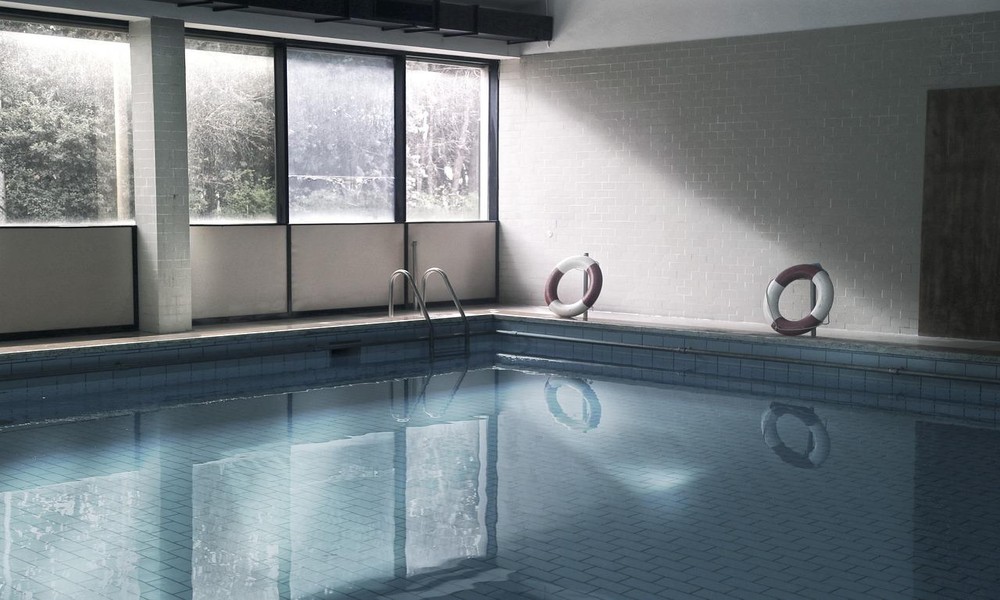
Without a doubt, a swimming pool can completely transform a home, rental property, or hotel. A swimming pool has value, comfort, and a sense of luxury. However, behind the relaxation and fun, there is something many property owners do not think about until the problem shows up, which is electricity. Since pools combine electrical equipment and water, safety is a top priority. From pumps and lighting to filtration systems and heaters, everything needs the right setup to keep people protected and equipment running smoothly.
So, if you own a property with a pool or you are planning to install one, here is what you should know.
Read on to learn more.
Understanding the Importance of Pool Electrical Safety
Most property owners assume that pool electricity is set and forget. However, the truth has been that full systems run for hours every day and often under harsh conditions like heat, posture, and outdoor exposure. Even small electrical issues can turn into major safety risks. We are talking about outdated power systems, lost connections, and sudden outages, all of which might create hazards near the water.
Understanding the Basics of Pool Electrical Wiring
When it comes to pool electrical wiring, the main thing you should understand is that full electricity is not like indoor wiring. In other words, it needs extra protection because it operates close to water and outdoors. Tool wiring usually powers important parts like underwater and outdoor lights, automatic cleaners, pool pumps, and water filtration equipment.
Make sure to protect the wiring properly and have it installed in a way that minimizes the chance of damage.
Understanding Signs That Your Pool Electrical Wiring Needs Attention
Now, your pool might look fine on the surface; however, hidden electrical problems can build up over time. This is why it is incredibly important to keep an eye on potential learning signs. After the pool electrical wiring has been installed, you should still watch out for several things, like a pump that suddenly shuts off or breakers tripping frequently, and pool lights flashing or dimming.
Of course, these are not issues that you should ignore or try to work around. Many property owners make the mistake of resetting the breaker again and again, believing it is normal.
Things to Know before a Commercial Electrical Panel Installation
Now, for larger properties like gyms, Commercial Code areas, and hotels, the electrical demands are obviously higher. This is exactly where commercial electrical panel installation comes in. A panel is actually the Control Center distributed throughout the property. Now, if the panel is too small, overloaded, or outdated, you may experience constant power interruptions, increasing maintenance costs, and even safety risks.
With that said, before installing a new panel, it is important to consider how many poor systems will be running at the same time. You must also consider any potential future upgrades that you might have planned, like heaters or extra lighting. Rest assured, installing a new panel can help run everything smoothly without unexpected shutdowns.
Final Thoughts
Pools are meant to be enjoyable instead of stressful. However, the truth is that the comfort and safety of the pool depend heavily on what is happening behind the scenes.